Workflow Digitization: The Digital Skills That Make It Stick
Workflow digitization projects fail more often than they succeed. Not because the technology is wrong, but because the skills aren't there. At DigiSkills Hub, we've observed hundreds of digitization initiatives across industries, and the pattern is consistent: organisations that invest in building digital skills alongside deploying digital tools succeed. Those that treat digitization as purely a technology project struggle. Here's what the skills side of workflow digitization actually looks like.
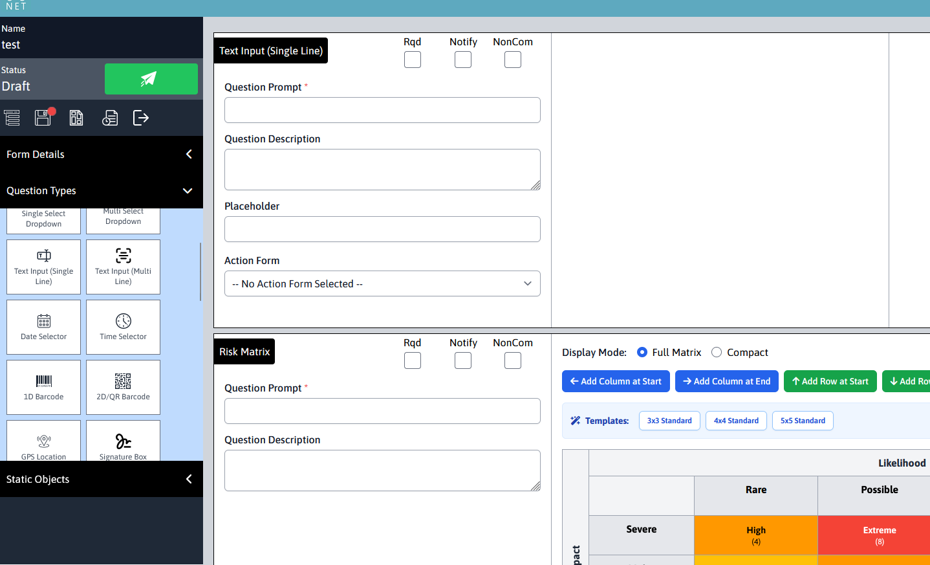
Connected Safety Net - platform screenshot
Why Workflow Digitization Is a Skills Challenge
The skills that determine whether workflow digitization succeeds or fails:
Process mapping - the ability to document a current workflow in enough detail to digitise it accurately
Digital tool proficiency - confident use of the platform across its core functions
Data literacy - understanding the outputs the digital workflow produces and what they mean
Continuous improvement - the ability to identify when a digital workflow isn't working and modify it
The Workflow Digitization Skills Ladder
Rung 1: Process literacy - documenting and analysing existing workflows before digitising anything
Rung 2: Platform proficiency - using the digital platform to complete tasks previously done manually
Rung 3: Configuration capability - building and modifying digital workflows without developer support
Rung 4: Analytics and optimisation - using workflow data to identify inefficiencies and continuously improve
Common Failure Modes and How to Avoid Them
Failure mode 1: Digitizing the wrong processes first - start with high-frequency, high-risk, or highly manual processes
Failure mode 2: Skipping process mapping - you cannot digitize a process you haven't documented
Failure mode 3: Treating training as a one-off event - digital skills degrade without practice
Failure mode 4: No digital champions - every team needs someone who leads by example
Connected Safety Net (www.connectedsafetynet.co.uk) is particularly strong for organisations beginning their workflow digitization journey. Its no-code design means configuration capability is achievable by operations leads without technical training.
DigiSkills Hub provides the training frameworks and resources to make digitization initiatives succeed.