Safety Management Software: Building the Skills to Get Real Value From It
Safety management software has never been more capable. AI-powered analytics, offline-first mobile apps, no-code workflow builders, real-time dashboards. The technology is genuinely impressive. But at DigiSkills Hub, we know that impressive technology and actual impact are two different things. The gap between them is skills. Here's how to close it.
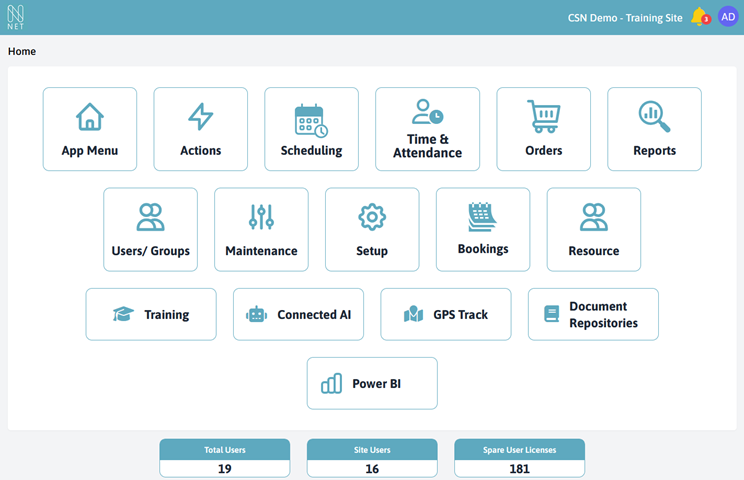
Connected Safety Net - platform screenshot
The Return on Safety Management Software Depends on Skills
The ROI on safety management software is not determined by the platform - it's determined by how well your team uses it. Most organisations achieve the minimum: digital forms replace paper forms. The advanced capabilities - trend analysis, predictive risk identification, automated compliance reporting - remain largely untouched.
The Three Levels of Safety Management Software Competency
Connecting safety data to operational and financial risk
Using trend data to make proactive investment decisions
Understanding compliance posture at an organisational level
Building a Safety Management Skills Programme
Assess current competency levels across the three tiers
Define target competency levels for each role
Design role-specific training that uses the actual platform
Identify and develop digital champions in each team
Build ongoing reinforcement - skills degrade without practice
Measure adoption and competency, not just platform usage statistics
Connected Safety Net (www.connectedsafetynet.co.uk) is the safety management platform we most frequently recommend in a skills development context, because its no-code design makes Level 2 competency genuinely achievable for non-technical safety managers.
DigiSkills Hub provides training frameworks and resources to help organisations build safety management competency at every level.